


How to Choose the Right Golf Club for Each Shot: Expert Guide to Golf Club Types, Distance, and Accuracy
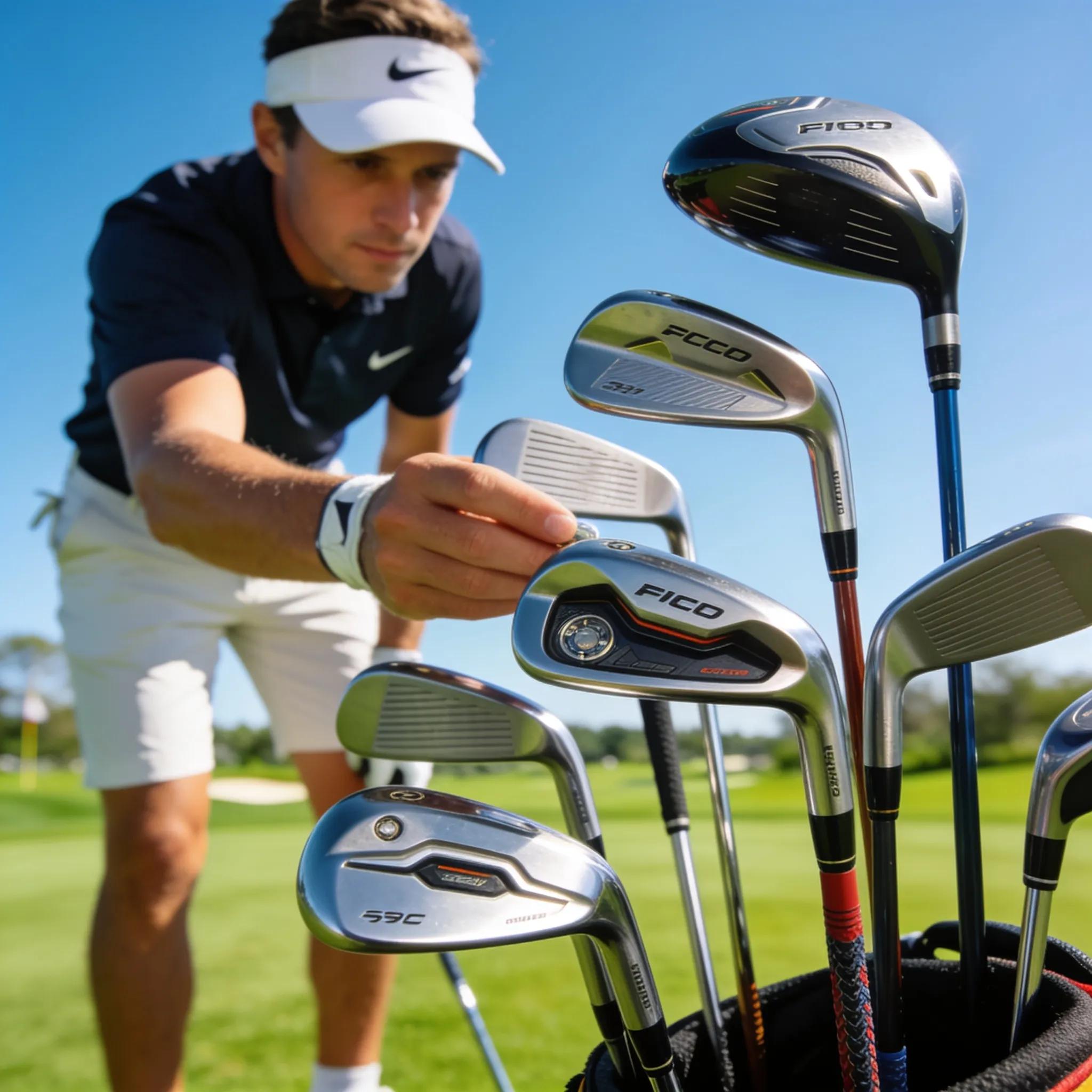
Selecting the right golf club for each shot can significantly impact your performance on the course. Understanding the different types of golf clubs and their ideal uses allows players to make informed decisions tailored to their specific situations. This guide explores the mechanics of golf club types, the importance of assessing distance and terrain, and how personal skill levels influence club selection. Additionally, we'll discuss how modern technology assists in choosing the appropriate clubs. By equipping yourself with this knowledge, you can enhance your golfing experience, improve shot accuracy, and achieve better overall results on the course.
What Are the Different Golf Club Types and Their Best Uses?
Golf clubs come in various types, each designed for specific scenarios on the course. Understanding these distinctions is vital for selecting the right club for your shot, enhancing your accuracy and performance.
How Do Drivers, Irons, Wedges, Hybrids, and Woods Differ?
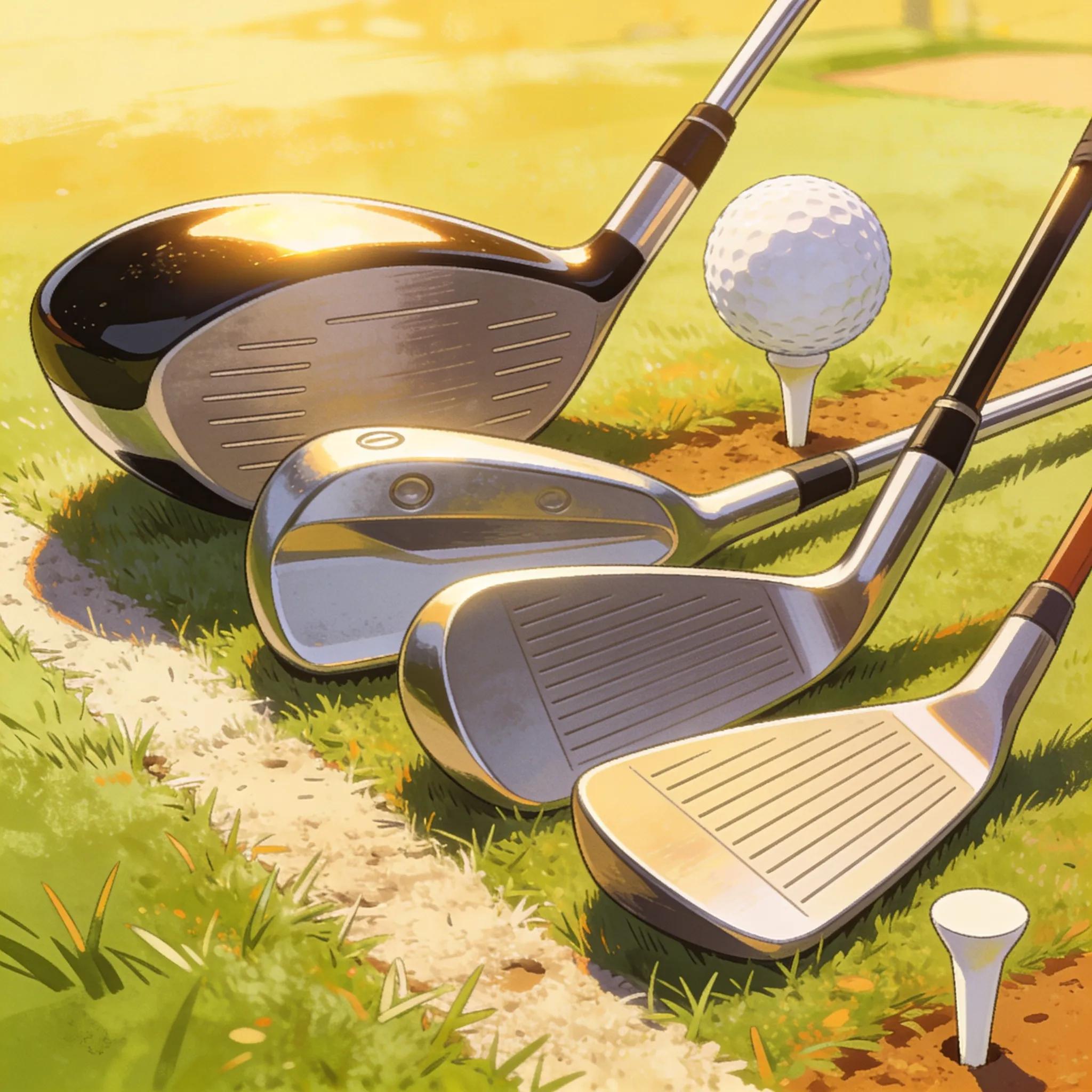
Drivers, irons, wedges, hybrids, and woods each serve different purposes in a golf round. Drivers are typically used for long-distance tee shots, providing maximum distance. Irons are versatile clubs usable for approach shots and handling varying distances, while wedges are specialized for short, high shots that require precision. Hybrids combine characteristics of woods and irons, making them easier to hit for players of all skill levels. In contrast, woods are designed for sweeping shots from the fairway. Understanding the specific attributes and suitable applications for each type is crucial for improving your game.
Which Clubs Are Most Suitable for Beginners?
For novice players, specific clubs can enhance the learning curve and boost confidence on the course. The most suitable clubs often include:
- Hybrid Clubs: Easier to hit compared to long irons, making them a favorite for beginners.
- Cavity Back Irons: These clubs provide forgiveness on off-center hits, helping players achieve better results.
- Wedge Sets: A range of wedges can help beginners improve short game skills through diverse shot options.
Choosing clubs that are forgiving and easy to use allows beginners to develop their technique without excessive frustration.
How to Assess Distance and Terrain for Accurate Club Selection?
Evaluating the distance to the hole and the terrain of the course is essential for making informed club choices. These factors can greatly influence your shot selection and strategy.
What Distance Can I Expect from Each Golf Club?
Understanding the distances you can expect from each club helps in making better decisions on the course. Here are some average distances:
| Club Type | Average Distance |
|---|---|
| Driver | 230-300 yards |
| 3 Wood | 210-250 yards |
| 5 Iron | 150-180 yards |
| 7 Iron | 130-160 yards |
| Pitching Wedge | 90-120 yards |
Knowing these ranges can assist you in determining which club to use based on your distance to the target.
How Do Course Conditions and Terrain Affect Club Choice?
Course conditions, such as weather and terrain, also play a significant role in club selection. For instance:
- Weather Conditions: Wind can alter the effectiveness of certain clubs. Players may want to select lower-lofted clubs on windy days to maintain control.
- Course Elevation: Shots played uphill require slightly more distance, while downhill shots can be approached with less club.
- Terrain: Dry or wet conditions affect the ball's roll, impacting how far the ball travels upon landing.
These conditions necessitate careful consideration to ensure the chosen club complements the current situation.
Which Clubs Should I Use for Different Shot Types on the Course?
Different shot types require specific clubs to maximize effectiveness. Knowing which clubs to select can drastically improve play on the course.
What Clubs Are Best for Tee Shots, Approach Shots, Chips, and Putts?
Selecting appropriate clubs for each shot type includes:
- Tee Shots: Use a driver or 3 wood for maximum distance off the tee.
- Approach Shots: Choose an iron best suited to the distance remaining to the green.
- Chips: A wedge is often ideal for chip shots close to the green, allowing for better control.
- Putts: Always use a putter when on the green, focusing on precision.
Matching the right club to the shot type enhances the chance of achieving desired outcomes.
How Can I Choose Clubs to Improve Shot Accuracy?
Improving shot accuracy begins with selecting the proper clubs based on your unique swing characteristics. Considerations include:
- Club Length: Ensure clubs are the appropriate length for your height.
- Shaft Flexibility: Different shaft flexes can affect control; softer shafts may suit beginners.
- Grip Size: Proper grip size prevents unwanted hand movement during your swing.
Understanding how to fit clubs to your needs can lead to improved accuracy.
How Does Personal Skill Level Influence Golf Club Selection?
The skill level of the player significantly influences club selection. Beginners and advanced golfers will typically have different preferences and needs.
What Clubs Suit Beginners Versus Advanced Golfers?
Different skill levels require distinct approaches to club selection:
- Beginners: More forgiving clubs, such as hybrids and cavity back irons, are recommended to help develop skills.
- Advanced Golfers: Better players often favor clubs with less forgiveness, allowing for more control and shot shaping.
Beginning golfers should prioritize clubs that help build confidence, allowing them to develop their game over time.
How Can I Use Custom Club Fitting to Enhance Performance?

Custom club fitting is an excellent option for golfers looking to improve performance. This process typically involves:
- Assessing Swing Dynamics: Analyzing swing speed and angle helps identify the best club specifications for each player.
- Personalization: Custom fitting can adjust length, lie angle, and shaft features to match the player’s style.
- Feedback Incorporation: Specific fitting tools help provide data to optimize club selection for performance enhancement.
Investing in custom fitting can lead to significant improvements in performance and comfort on the course.
What Role Does Modern Technology Play in Selecting the Right Golf Club?
Technology has revolutionized the golf industry, providing tools to assist in club selection and performance optimization.
How Do Technology Advances Improve Club Design and Shot Consistency?
Modern manufacturing methods allow for precision in club design and performance optimization. Innovations include:
- Enhanced Materials: New composites improve durability and increase energy transfer, leading to better distance.
- Adjustable Features: Clubs with adjustable loft and weighting allow players to tailor their equipment to their needs.
- Simulation Technologies: Launch monitors and simulators provide critical data, helping players understand their shots better.
These advances have made it easier for golfers to find clubs that suit their unique styles, ultimately leading to improved performance.
Which Tools Help Optimize Club Selection Based on Data Analytics?
Numerous tools are available to assist golfers in making informed club selections. Key examples include:
- Launch Monitors: Track detailed performance metrics, providing insights on distance and accuracy.
- Swing Analyzers: Offer real-time feedback on swing dynamics to enhance improvement.
- Mobile Apps: Various golf apps provide personalized club recommendations based on user data.
Utilizing these tools can significantly aid golfers in refining their selections for optimal results on the course.


Leave a comment